7 Key Tips for First-Time Cruisers: A Guide to Smooth Sailing
From choosing the right cruise line to managing your budget, here’s what you need to know before setting sail.
By Rosa Velázquez · 11 September 2026 · 4 minute read

When Gary Bembridge from Tips for Travellers first started cruising, he made numerous mistakes. Even today, he often sees first-time cruisers making the same errors.
To help anyone considering their first cruise, Bembridge has compiled seven essential tips that can make all the difference between a fantastic experience and a frustrating one.
From choosing the right cruise line to managing your budget, here’s what you need to know before setting sail.

1. Choosing the Best First Cruise
Bembridge's first mistake was not carefully considering his cruise destination. Luckily, his choice ended up being a good one.
However, he later met others who were not as fortunate, such as passengers who booked a Transatlantic crossing only to find the long, uninterrupted sea days boring and tedious.
For first-time cruisers, Bembridge recommends starting with one of the world’s three most popular cruising regions: the Caribbean, the Mediterranean, or Alaska.
These destinations are popular for a reason—they offer beautiful ports, diverse excursion options, and cruise lines that are well-versed in meeting passenger needs.
2. Selecting the Right Cruise Line
Choosing the right cruise line is critical. A mismatch in expectations can lead to disappointment, as Bembridge learned on his first cruise with P&O Cruises, a line that felt too familiar and British for his tastes.
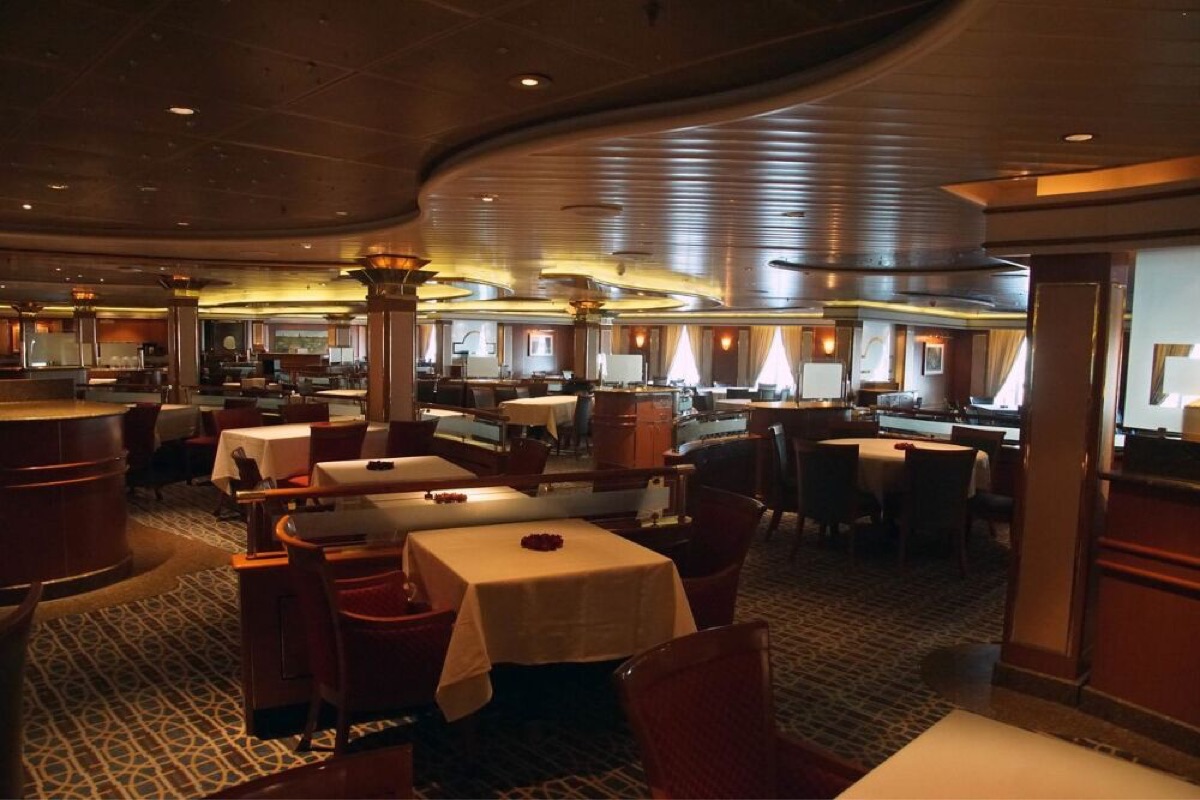
Cruise lines can be divided into four main categories:
- Mass-market cruise lines (e.g., Carnival, Royal Caribbean) – Large ships with resort-like features, ideal for families and active travelers.
- Premium cruise lines (e.g., Princess, Celebrity) – Mid-sized ships offering a more traditional cruise experience, with less resort-like features.
- Small cruise lines (e.g., Viking, Oceania) – Smaller, more luxurious ships, often favored by seasoned travelers seeking a quieter experience.
- Ultra-luxury cruise lines (e.g., Seabourn, Silversea) – Highly exclusive and all-inclusive, these lines focus on exceptional service and luxurious experiences.

When selecting a cruise line, it’s essential to list what’s important to you in a vacation—be it lively entertainment, a relaxed atmosphere, or family-friendly activities—and match your preferences to the cruise line that best fits.

3. Booking the Right Cabin
“Don’t worry about the cabin, you’ll be spending most of your time out on the ship,” is advice Bembridge wishes he had ignored. His first cabin was located above a noisy fitness center, which led to sleepless nights.

When booking a cabin, always choose one surrounded by other cabins on all sides. This minimizes the chances of being disturbed by noise from busy venues or high-traffic areas.

Additionally, consider paying a small premium to choose your exact cabin rather than opting for a guaranteed fare, where the cruise line picks your cabin.

4. Budgeting Wisely
Many first-time cruisers, including Bembridge, are shocked by the number of unexpected expenses once on board.
It’s important to budget for more than just the advertised fare—additional costs like gratuities, Wi-Fi, drinks, excursions, and specialty dining can quickly add up.

Cruise passengers often spend 50-100% of their fare on extras, depending on the cruise line and personal preferences.
To minimize costs, consider booking early for deals or within 90 days of departure when cruise lines offer discounts on unsold cabins. For example, check out last-minute cruise deals on Expedia here.
Additionally, track fares after booking—you can often get a price adjustment if rates drop before your final payment.
5. Choosing the Right Excursions
On his first cruise, Bembridge and his travel partner decided to explore ports on their own, but the experience was stressful. Worried about getting lost or missing the ship, they couldn’t fully enjoy their time ashore.

For first-time cruisers, Bembridge recommends booking excursions through the cruise line. These excursions are well-organized, and the cruise line guarantees that the ship will wait if an excursion runs late—an invaluable reassurance for beginners.
6. Understanding Cruise Contracts
Cruise contracts come with terms that many first-time cruisers may not fully understand. For example, cruise lines can change itineraries or cancel ports without offering compensation. On his first cruise, Bembridge experienced this when Monte Carlo was dropped from the itinerary due to weather.

It’s crucial to read and understand the terms and conditions before booking, especially regarding cancellations and itinerary changes. For cruising post-pandemic, flexibility in booking is more important than ever.

7. Final Tips for First-Timers
Before booking your first cruise, take the time to research and plan your experience carefully. With the right cruise line, destination, cabin, and budget in place, you can avoid the common pitfalls that many first-time cruisers encounter.
Are you a first-timer cruiser and did you find these tips helpful? Or are you a seasoned cruiser with more wisdom to share? Let us know in the comments below.
Safe travels and smooth sailing!
Pin this post for later: